

Understanding the Rolex Brand and Its Value
Rolex is a name synonymous with luxury and precision in the world of horology. Established in 1905 by Hans Wilsdorf and Alfred Davis in London, the brand quickly positioned itself as a pioneer of innovative watchmaking. Its commitment to quality, design, and reliability has not only created a reputation for excellence but also an enduring legacy that impacts its valuation in the market. The iconic status of Rolex watches is supported by a rich history marked by numerous achievements, including the creation of the world’s first waterproof watch, the Oyster, in 1926 and the introduction of the Oyster Perpetual movement, which revolutionized watchmaking.
Rolex watches are often distinguished by their craftsmanship, which is a hallmark of the brand. Each watch is meticulously assembled, featuring high-quality materials such as 904L stainless steel, 18-carat gold, and scratch-resistant sapphire crystal. Such materials enhance the durability and aesthetics of the watches, making them not only symbols of luxury but also reliable timepieces capable of enduring the test of time. Furthermore, the intricate movements and mechanical precision deployed in Rolex watches are a testament to the brand’s dedication to perfection, bolstering its position as a leading manufacturer in the luxury watch segment.
The value of a Rolex extends beyond its functionality; it embodies an emblem of status and sophistication. Over the years, Rolex watches have managed to maintain and often appreciate in value. Factors contributing to this investment potential include brand heritage, rarity, demand within the luxury sector, and the limited production of certain models. Consequently, understanding the Rolex brand’s history and prestige is crucial when considering whether a Rolex is a good investment, as the craftsmanship and exclusivity contribute significantly to its resale value in the collectible watch market.
Market Trends and Demand for Rolex Watches
The demand for Rolex watches has experienced noticeable fluctuations in recent years, influenced by a variety of market trends. One of the primary factors driving this demand is the ongoing popularity of specific models. Collector interest has surged for iconic timepieces such as the Submariner and Daytona, which have seen significant price appreciation in secondary markets. This trend indicates that rarity and historical significance play crucial roles in determining whether a Rolex can be deemed a good investment.
Additionally, the rise of social media platforms has dramatically altered the landscape for luxury watches. Influencers and celebrities showcasing their Rolexes have resulted in heightened visibility and desirability for particular models. This phenomenon has generated a new wave of interest among younger consumers, who increasingly view these timepieces as symbols of status and success. As a result, older models that were once overshadowed are now gaining traction, further complicating the investment decision-making process.
Industry experts emphasize the importance of considering broader economic conditions when evaluating the potential investment value of a Rolex. Factors such as inflation, consumer spending, and market stability can all impact Rolex prices. For instance, during economic downturns, luxury goods can experience a dip in demand. Nonetheless, historically, timepieces by Rolex have shown resilience, often retaining, if not appreciating, their value over time.
The investment landscape for Rolex watches, therefore, is multifaceted. While the allure of owning a Rolex is certainly strong, potential investors should remain aware of market dynamics, including collector interests and social media influences. As the trends continue to evolve, staying informed is essential for making prudent investment decisions in the luxury watch market.
Comparing Rolex to Other Investment Options
When considering whether a Rolex is a good investment, it is essential to analyze it alongside other traditional investment avenues, such as stocks, real estate, and classic cars. Each type of investment comes with its unique set of characteristics, advantages, and disadvantages, which can greatly impact the overall investment strategy.
First, let’s discuss stocks. Investing in equities offers high liquidity and the potential for significant returns over time. However, the stock market can be volatile, with prices fluctuating based on market conditions and economic factors. In contrast, investing in a Rolex watch tends to offer more stability. While it may not provide the same immediate liquidity as stocks, certain vintage and limited-edition models have shown remarkable appreciation potential over the years.
Next, real estate is often viewed as a solid investment option due to its consistent value appreciation and income-generating potential through rental yield. Yet, real estate requires substantial capital upfront, and the market can be susceptible to downturns. Rolex watches, on the other hand, require a lower initial investment relative to most properties, making them more accessible. Additionally, the storage and maintenance costs for a Rolex are relatively minimal compared to real estate management expenses.
Classic cars present another intriguing investment option. Like Rolex watches, classic cars can appreciate significantly in value if chosen judiciously. However, they come with higher ongoing maintenance costs, insurance, and other complexities. In contrast, a Rolex can be easier to store and maintain, requiring less overall commitment of time and resources.
In conclusion, when comparing a Rolex to other investment options, it becomes evident that while it may not have the same liquidity as stocks and may involve more limitations than real estate, it provides a unique avenue for investment diversification. Understanding the nuances of each investment type will help individuals determine whether a Rolex is a good investment for their financial portfolio.
How to Buy and Sell Rolex Watches Wisely
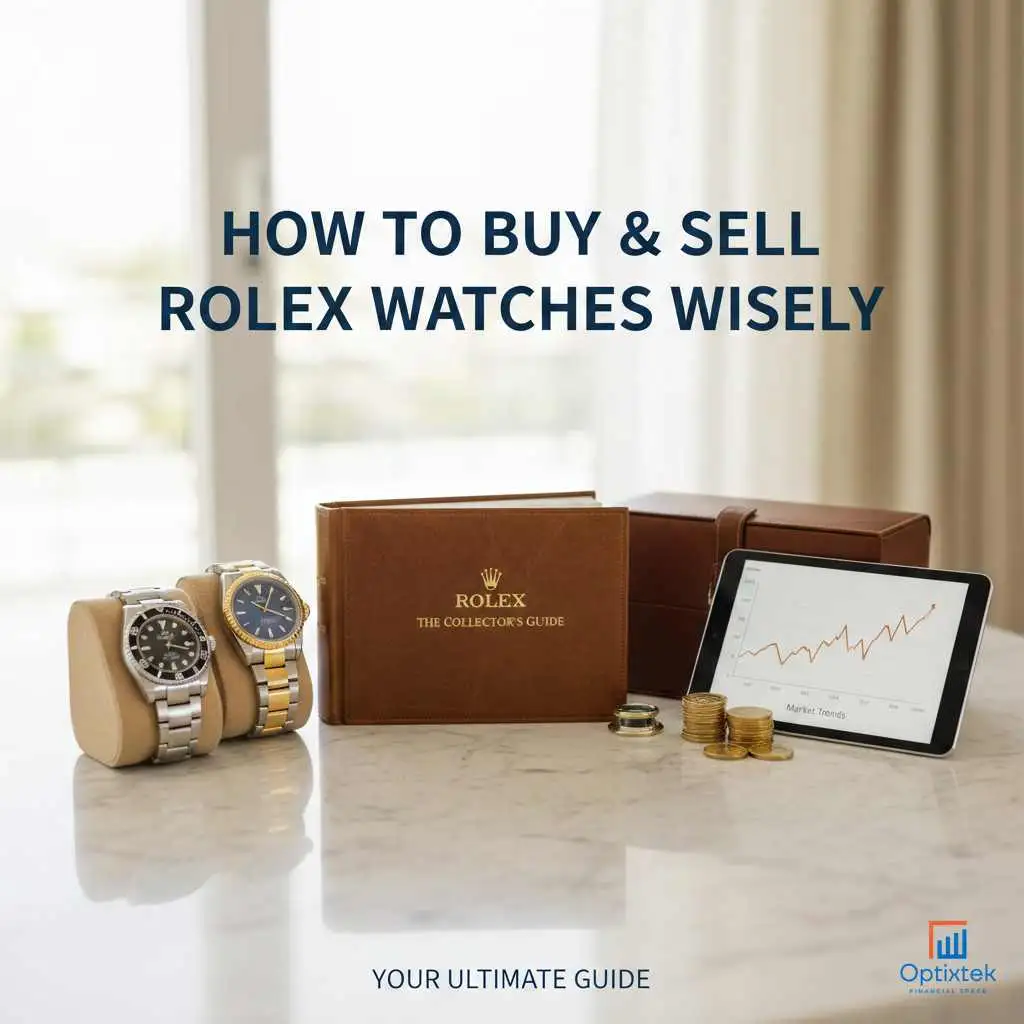
When considering the question, “is a Rolex a good investment?” understanding the nuances of buying and selling these prestigious timepieces is crucial. The first step in acquiring a Rolex is to verify its authenticity. Purchasing from authorized dealers or reputable second-hand sellers is advisable, as this minimizes the risk of acquiring counterfeit watches. Inspecting the watch’s serial and model numbers, which are typically engraved between the lugs, can further support authenticity verification.
Next, it is imperative to understand the market prices associated with Rolex watches. Researching recent sales of similar models can provide insights into the fair market value. Websites dedicated to luxury watch sales or auction platforms often publish historical pricing data that can serve as a valuable reference. Being engrossed in communities dedicated to watch collecting can also enhance your understanding of price fluctuations and allow you to identify desirable models that can appreciate over time, thereby answering the question of whether a Rolex is a good investment.
When it comes to selling a Rolex, timing and documentation play significant roles. Knowing when to sell—ideally when a watch is in high demand or when it is becoming rare—can maximize value. Additionally, maintaining comprehensive documentation, including purchase receipts, certificates of authenticity, and service records, is essential. These documents not only verify the watch’s legitimacy but also demonstrate that it has been properly maintained, which can greatly enhance its resale potential.
Lastly, choosing the right seller or buyer is critical in the buying and selling process. Engaging with well-reviewed dealers and marketplaces enhances transaction security. Overall, being diligent in verifying authenticity, understanding market trends, keeping meticulous records, and choosing reputable outlets contributes to making a sound investment in Rolex watches.