
Ultimate Guide to E-KYC Onboarding in 2026
Opening a new bank, brokerage, or robo-advisor account should feel fast, safe, and fair. That is the promise of e-KYC, or electronic Know Your Customer. For beginner investors aged 25 to 40 in the US, e-KYC brings the speed of digital onboarding without losing the trust and compliance that protect your money. In this guide, I break down how e-KYC works, where it shines, and how to spot a smooth onboarding flow before you hit submit. I also add real examples, practical steps, and the latest policy context so you can make informed choices.
I have covered financial regulation and digital identity for more than a decade. The trend is clear. Firms that invest in smart e-KYC convert more customers, reduce fraud, and meet tough rules with fewer headaches. With interest rates still elevated compared with 2020 levels, every efficiency matters. Let’s make this simple and useful.
Note: This is not financial advice. For personal decisions, consult a qualified professional.
Introduction
The move to mobile-first finance changed expectations. People want to open accounts in minutes, not days. At the same time, regulators require robust identity checks to fight fraud and money laundering. e-KYC bridges that gap by digitizing identity verification, document checks, and risk screening. The result is faster approvals, fewer branch visits, and clearer audit trails.
Why e-KYC matters now
- Higher fraud pressure makes identity proofing critical.
- Elevated rate environments reward efficient onboarding that reduces cost per acquisition.
- US rules around Customer Identification Programs and beneficial ownership keep tightening.
- Younger investors expect seamless sign-up on a phone, with privacy by design.
How e-KYC Works
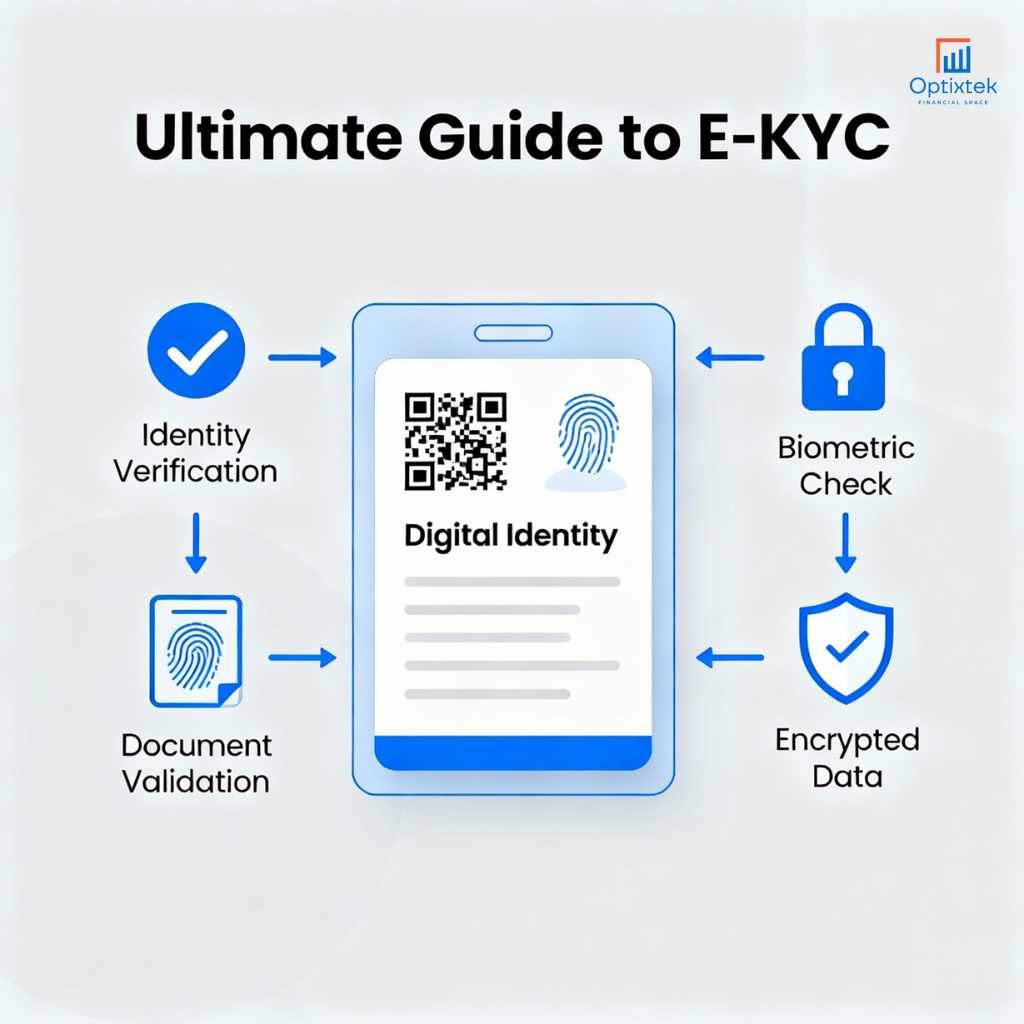
What KYC and e-KYC mean
- KYC: The legal and operational process that verifies a customer’s identity and assesses risk before providing financial services.
- e-KYC: The digital version using online identity proofing, automated checks, and electronic records rather than manual, paper-based steps.
Core components you will see
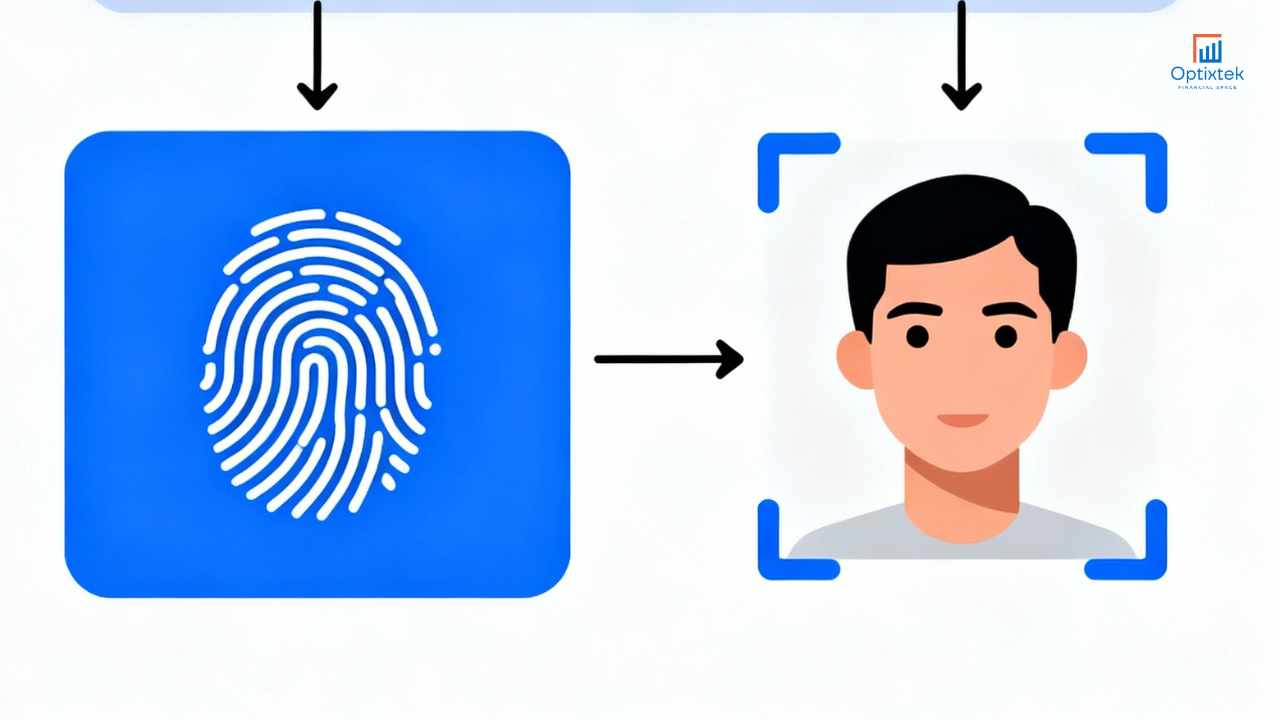
- Identity proofing: Capture a government ID plus a live selfie to confirm you match the photo.
- Data validation: Cross-check name, address, and SSN or ITIN against trusted databases.
- Sanctions and PEP screening: Scan customer details against sanction lists and politically exposed person lists.
- Risk scoring: Use rules and models to assign a risk level that drives approvals or extra review.
A step-by-step onboarding flow
- Start the application on mobile or desktop.
- Enter personal details and consent to checks.
- Scan your ID with the camera and take a liveness selfie.
- The system validates document security features and matches your face to the ID.
- Your details run through watchlists and fraud signals.
- Low-risk profiles get instant approval. Edge cases route to a quick manual review.
- You receive account credentials and disclosures.
What good looks like
- Clear progress indicators and time estimates.
- Instant feedback if a photo is blurry.
- Inclusive design that accepts multiple ID types.
- Transparent privacy disclosures before you share data.
Key Strategies to Streamline Onboarding
Pick the right verification mix
Not every use case needs the same checks. A cash management account with debit features might require stronger identity proofing than a micro-investing app with low limits. Strong programs layer methods: document scan plus selfie match, plus database checks. This reduces false declines and keeps fraud out without punishing good users.
Example: Consider Sarah, a 30-year-old teacher earning 50,000 dollars a year who wants to open her first brokerage account to buy an S&P 500 ETF. A balanced e-KYC flow lets her scan a driver’s license, take a quick selfie, and link a bank. She gets approved in minutes because her data matches, her liveness check passes, and her risk score is low.
Design for conversion without compromising compliance
Friction is not the enemy. Unnecessary friction is. Place the highest-friction step later in the flow once users have invested time. Offer save-and-resume. Provide real-time tips when a photo fails. Allow secure upload from a file if a camera struggles. Your goal is to keep legitimate applicants moving while stopping bots and synthetic identities.
Internal linking idea: Pair this guide with your site’s resources on identity proofing levels, AML basics, and fraud red flags for new investors.
Measure what matters
Track completion rate, time to approve, and false decline rate. Segment by device, ID type, and geography. Run controlled tests with different document prompts or lighting tips. A few small UX tweaks can lift completions by several percentage points. Sources say many firms still rely on manual checks longer than needed, which slows growth.
Build for scale and resilience
Use providers that support US rules and can add new watchlists fast. Aim for modular design so you can swap components without rebuilding your entire flow. Document your decision logic. Regulators expect you to explain why the system approves or flags a case.
Compliance and Risk
US rules to know
- Customer Identification Program: Broker-dealers and banks must collect key identifiers and verify them. The SEC and FinCEN detail the CIP rule for securities accounts and bank accounts.
- Customer due diligence: Firms must identify and verify customers, understand the nature of the relationship, and apply ongoing monitoring in a risk-based way.
- Beneficial ownership reporting: Beginning in 2024, many US companies must report beneficial owners to FinCEN. While that rule targets businesses, it interacts with e-KYC for small-business accounts and investment advisory onboarding.
- Digital identity guidance: NIST’s digital identity framework outlines identity proofing and authentication standards used across government and industry.
Balanced view: Regulations protect the system and your account. They also add steps that can feel frustrating. Good e-KYC makes those steps fast and transparent.
Privacy and data security
e-KYC collects sensitive data. Demand clear disclosures on data use, retention, and sharing. Look for encryption in transit and at rest, segmented access, and strict vendor oversight. Firms should offer a privacy dashboard and easy ways to correct data. Identity data is not like a password. You cannot change your face or your SSN if leaked. Treat it with care.
Practical tip: If a firm allows you to mask your SSN until final submission and shows SOC 2 or ISO 27001 certifications, that signals mature controls.
Fraud trends investors should know in 2025
- Synthetic identities: Fraudsters blend real and fake data to build credit and then cash out. Liveness checks and device risk scoring help detect this pattern.
- Account takeover: Multifactor authentication and step-up verification on risky actions curb damage.
- Deepfake risks: Better liveness detection and challenge-response sequences reduce spoofing.
Common Pitfalls to Avoid
Overzealous friction that drives drop-offs
If your flow rejects good IDs because glare hides a hologram, you will lose real customers. Test your flows on older phones and in low light. Offer manual review with fast turnaround when automation fails. Communicate timelines so users do not abandon.
Vendor lock-in that blocks improvement
Single-vendor stacks can trap you. Choose providers with open APIs and exportable logs. Keep your decision rules in your control. This lets you pilot a second liveness engine or a new sanctions feed without a year-long migration.
Ignoring financial inclusion
e-KYC should welcome more people into safe finance. Accept more than one ID type, such as state ID, US passport card, or tribal ID, where allowed. Provide alternatives for thin-file customers, like bank account ownership checks or payroll data with consent. The FDIC has highlighted millions of underbanked households. Inclusive e-KYC can reduce that gap.
Missing disclosures and consent
Surprises erode trust. Before you scan a face or ID, the app should state what it collects, why, and for how long. Always give users a secure way to access, correct, or delete personal data where permitted.
Putting It All Together
A quick playbook for firms
- Map your risk tiers: Low, medium, high. Tie verification steps to each tier.
- Standardize your evidence: Document the checks that satisfy CIP, CDD, and sanctions screening.
- Tune your UX: Clear instructions, instant feedback, and save-and-resume.
- Monitor outcomes: Completion time, approval rate, false positive and false negative rates.
- Prepare for audits: Keep logs, models, and decisions explainable.
What investors should expect on signup
- A clear ask for personal info with a privacy notice.
- A quick ID scan and selfie with guidance if it fails.
- Instant approval in low-risk cases, or a same-day manual review.
- A choice of authentication methods for future logins.
A second scenario
A US-based credit union launches a mobile brokerage for members who want simple index funds. They adopt layered e-KYC, add optional bank account ownership checks for thin files, and write clear help copy. Approvals move from two days to fifteen minutes. Fraud stays flat due to better liveness detection. Support tickets drop because the flow explains each step.
Conclusion
e-KYC is not a buzzword. It is the engine behind modern customer onboarding for banks and brokerages. When done well, it blends compliance, security, and speed so new investors can start building wealth sooner. As a consumer, look for transparency, inclusive options, and fast paths to human help when automation misfires. As a firm, invest in modular tools, measure the journey, and document decisions. The payoff is real. Lower acquisition costs, stronger trust, and a cleaner risk profile in a market that rewards operational excellence.
If this guide helped, share it with a friend who is opening their first account. Drop your questions in the comments, and I will tackle them in a follow-up.
Disclaimer: This article is for educational purposes. It is not financial, legal, or compliance advice. Consult qualified professionals for decisions that affect your money or your firm.