
Understanding the Importance of a Personal Budget
A personal budget is a financial plan that outlines an individual’s income and expenses over a specified period. It serves as a valuable tool for managing finances, enabling individuals to track their spending, identify areas for cost reduction, and ensure that they are living within their means. The significance of establishing a personal budget cannot be overstated. By taking control of one’s financial situation, individuals can experience a multitude of benefits that contribute to overall financial health.
One of the most immediate advantages of budgeting is the improvement of spending habits. By categorizing expenditures and closely monitoring where money is allocated, individuals can gain insight into their spending patterns. This awareness encourages more conscious consumption, allowing for better decision-making when it comes to discretionary purchases. As a result, individuals often find themselves less likely to engage in impulsive buying, leading to more prudent financial choices.
In addition to fostering better spending practices, budgeting also promotes enhanced savings. With a clear understanding of monthly income and expenses, individuals can allocate a portion of their earnings toward savings or investments. This practice not only helps in building an emergency fund but also prepares individuals for future financial goals, such as purchasing a home or planning for retirement. When people strategically plan their finances, they create a safety net that equips them for unexpected circumstances.
Furthermore, effective budgeting significantly reduces financial stress. Money-related anxiety is a common issue faced by many individuals. However, having a clear budget allows one to feel more in control of their financial situation. Knowing that expenses are accounted for and that savings are being built provides peace of mind, empowering individuals to focus on other essential aspects of their lives without the constant worry about their financial status.
In conclusion, understanding how to create a personal budget is an integral part of achieving financial stability and well-being. By embracing the practice of budgeting, individuals can reap the benefits of improved spending habits, increased savings, and a notable decrease in financial stress.
Gathering Your Financial Information
Before embarking on the journey of how to create a personal budget, it is essential to gather comprehensive financial information. This step lays the foundation for an effective budget and offers valuable insights into your financial health. Begin by collecting documents that detail your income sources, which may include pay stubs, tax returns, investment income, and side gig earnings. Understanding the total amount of income is crucial as it represents the upper limit of what you can allocate towards expenses, savings, and debt repayment.
Next, compile a detailed list of your monthly expenses. This should encompass fixed expenses, such as rent or mortgage payments, utilities, and insurance, as well as variable expenses like groceries, entertainment, and transportation. To facilitate the tracking process, consider utilizing financial apps or spreadsheet software to categorize and record these expenses over a typical month. This careful documentation will help you see where your money is going and identify areas where you might reduce spending.
In addition to income and expenses, it’s vital to account for any existing debts. Gather statements from credit cards, personal loans, and any other liabilities to understand your total debt load. Lastly, assess your current savings, including emergency funds, retirement accounts, and any other savings reserved for specific goals. By categorizing your financial information into these distinct sections: income, expenses, debts, and savings, you can construct a well-rounded view of your finances. This comprehensive overview will ultimately aid you in how to create a personal budget that is realistic and achievable, aligning with your financial objectives.
Creating Your Budget
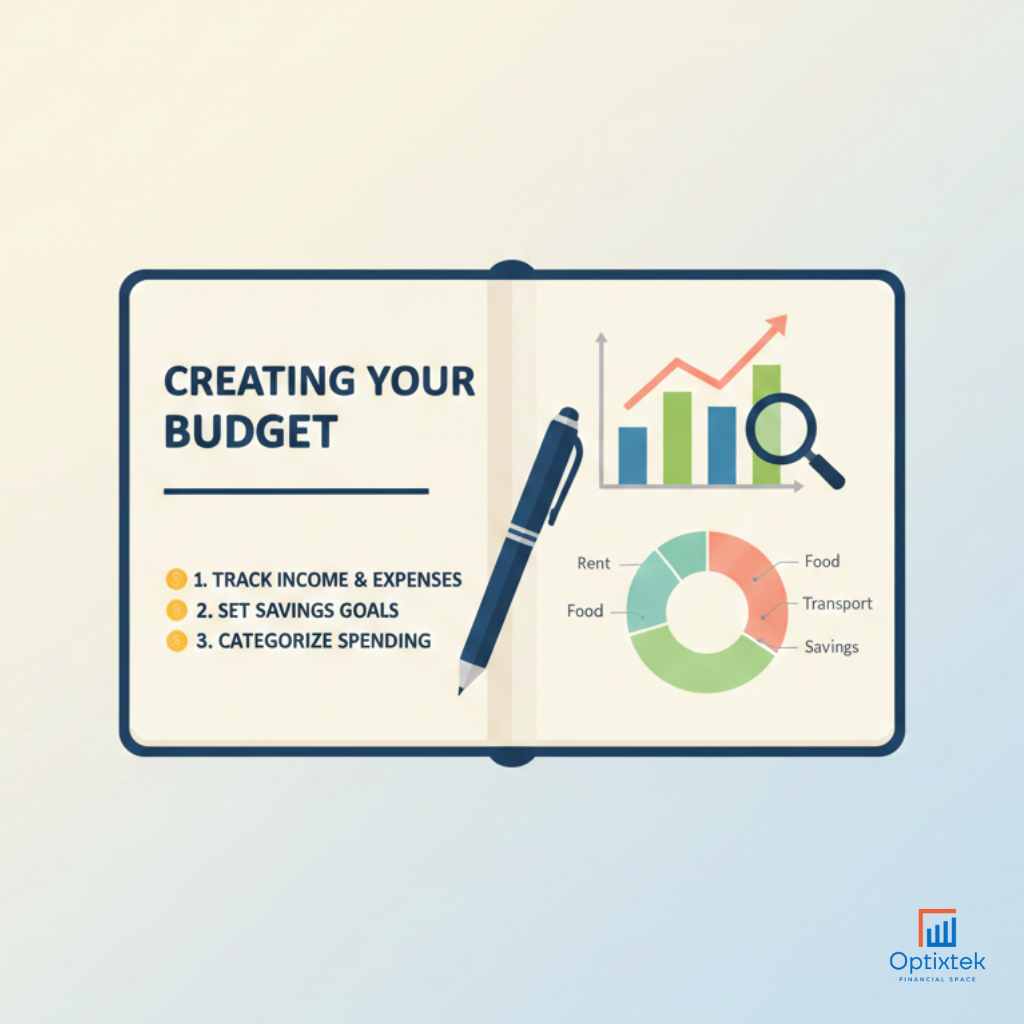
Establishing a personal budget is a critical financial practice that enables individuals to gain control over their spending and savings. Various methods can effectively guide you through the budgeting process, allowing you to select the approach that best aligns with your financial situation and lifestyle.
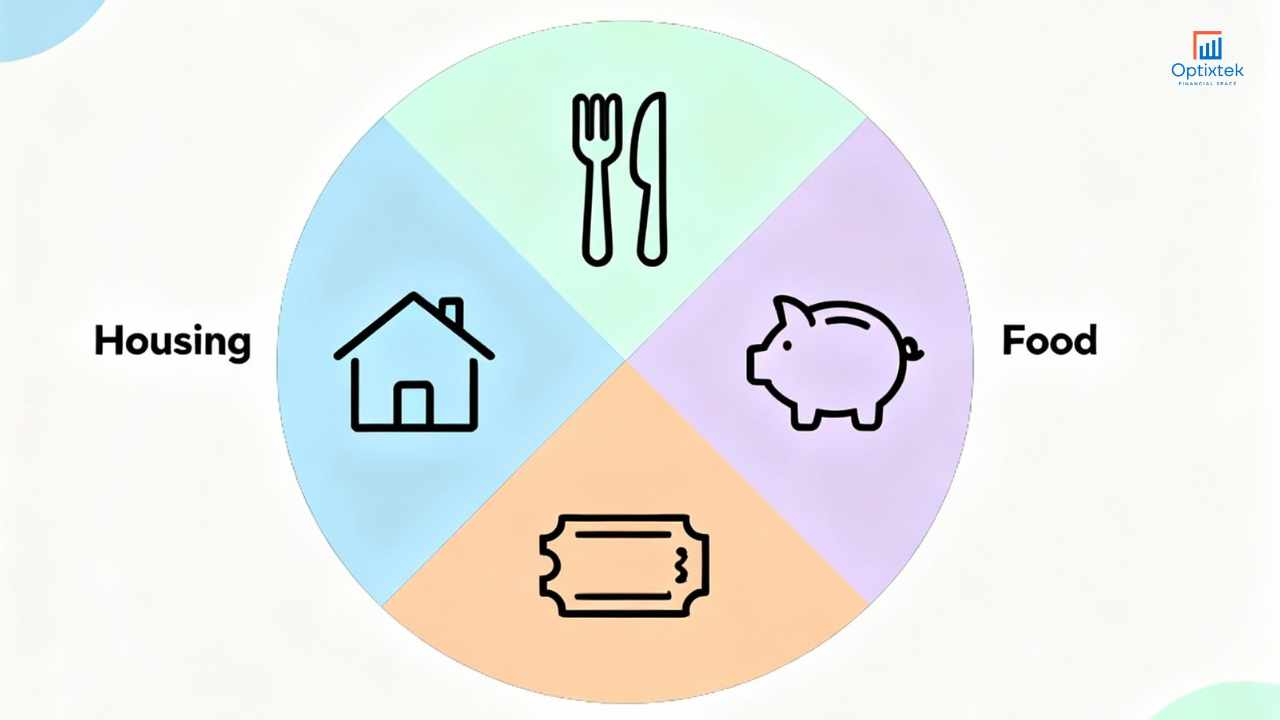
One popular method is the 50/30/20 rule. This strategy recommends allocating 50% of your income to needs (such as housing and groceries), 30% to wants (like entertainment and dining out), and 20% to savings and debt repayment. By utilizing this structure, you can create a personal budget that balances essential expenses with discretionary spending, ensuring that you remain on track toward your financial goals.
Another approach is zero-based budgeting, where every dollar is assigned a purpose. At the end of each month, your budget should effectively balance to zero, meaning income minus expenses equals zero. This method requires regular tracking and categorizing of all expenditures, providing clarity on where your money goes. It encourages discipline in spending and can highlight unnecessary expenses that can be reduced or eliminated.
The envelope system is a hands-on budgeting technique that involves allocating cash into envelopes labeled for specific categories, such as groceries, entertainment, and transport. Once the cash in an envelope is gone, no further spending is permitted in that category. This tactile method enforces boundaries in spending and can help in forming better financial habits.
As you create your budget, it is vital to assess your financial goals, whether they include saving for a home, paying off debt, or establishing an emergency fund. Adjusting your spending according to these goals will ensure that your budget remains realistic and attainable. Continual assessment and modifications to your budget will facilitate a sustainable approach to managing personal finances effectively.
Monitoring and Adjusting Your Budget
Establishing a personal budget is a critical component of financial well-being, but maintaining its effectiveness necessitates regular monitoring and adjustments. To ensure that your budgeting efforts yield the desired results, it is essential to review your budget frequently. An effective approach is to set aside time weekly or monthly to evaluate your spending patterns against your budgeted amounts. This will help identify areas where you may be overspending and allow for discussions about adjustments.
Tracking your expenses can be facilitated through several methods, such as using budgeting apps, spreadsheets, or even maintaining a simple ledger. By documenting every expenditure, you gain insights into your financial habits, making it easier to determine whether your current budget aligns with your lifestyle. Additionally, it promotes accountability, helping you stick to your predetermined spending limits. Consider categorizing your expenses into fixed, variable, and discretionary categories to see where modifications may be necessary.
Life circumstances can change unexpectedly, which underlines the importance of flexibility in your personal budget. Whether you experience a shift in income, such as a job loss or a bonus, or encounter unplanned expenses like medical bills or car repairs, your budget should adapt accordingly. When these situations arise, revisit your budget to allocate funds appropriately, ensuring that your essential needs are covered while still striving to achieve financial goals. If you find yourself consistently over budget in certain areas, it may be prudent to reassess and modify your spending limits to make them more realistic.
In conclusion, the process of creating a personal budget does not end once it is established; instead, it requires ongoing attention and flexibility. Regular monitoring and thoughtful adjustments are vital to maintaining an effective financial strategy that supports your evolving needs and goals.