

Introduction to the 50/30/20 Budget Rule
The 50/30/20 budget rule for financial success serves as a straightforward yet effective budgeting strategy that has gained traction among both financial professionals and individuals seeking to manage their personal finances better. Established by Senator Elizabeth Warren in her book “All Your Worth: The Ultimate Lifetime Money Plan,” this budgeting method aims to provide a clear framework for allocating income. Its simplicity and ease of implementation make it a popular choice for those new to financial planning and for seasoned budgeters alike.
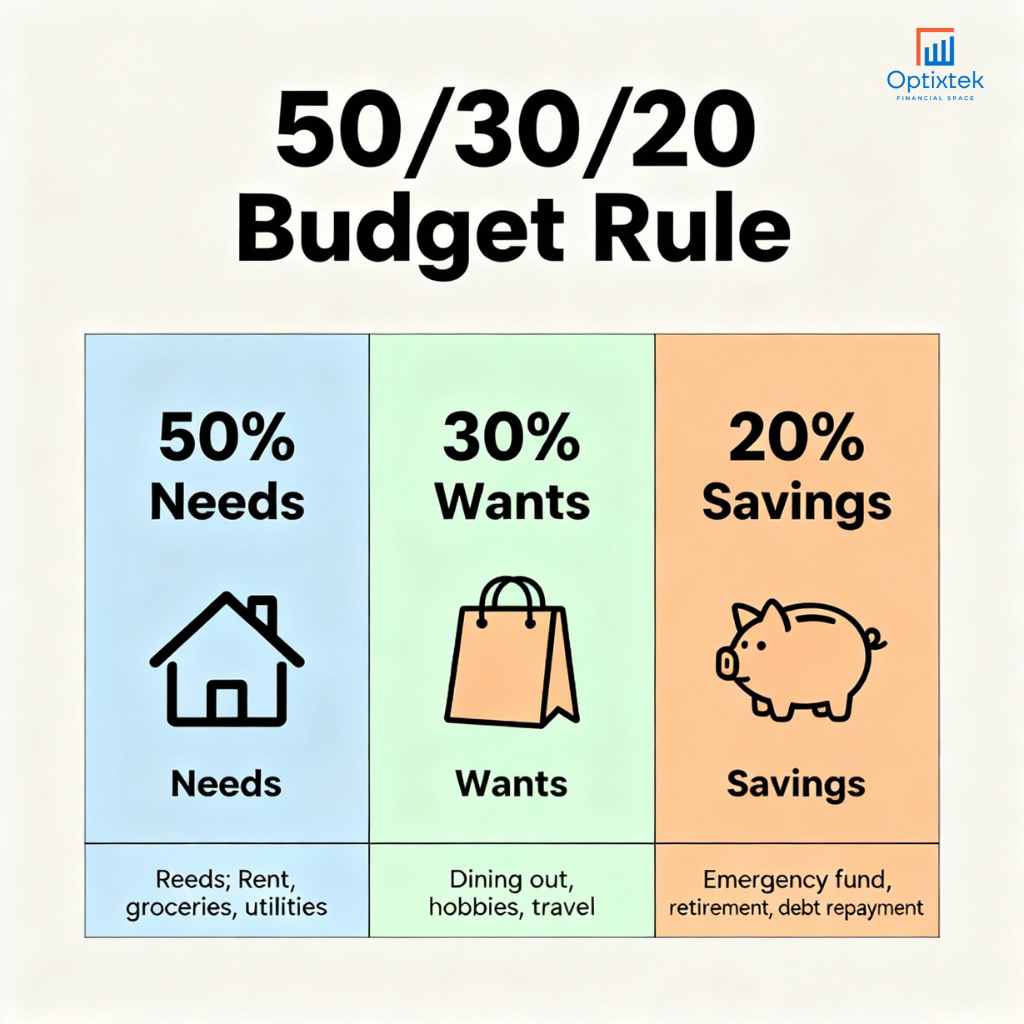
The essence of the 50/30/20 rule lies in its allocation strategy. It recommends dividing after-tax income into three primary categories: 50% for needs, 30% for wants, and 20% for savings and debt repayment. The “needs” category encompasses essential expenses such as housing, utilities, groceries, and health care—expenses that are fundamental to maintaining a basic standard of living.
Meanwhile, the “wants” category includes discretionary spending like dining out, entertainment, or luxury items that, while enjoyable, are not necessary for survival. Lastly, the 20% allocated for savings and debt repayment can be directed toward building an emergency fund, investing for future growth, or paying off existing debts, thereby paving the way for a more secure financial future.
Budgeting, in general, plays a crucial role in achieving various financial goals, including debt reduction, savings accumulation, and overall financial stability. By establishing a structured approach to money management, individuals can gain valuable insights into their spending habits and make informed decisions. The 50/30/20 budget rule for financial success not only facilitates better control of one’s finances but also encourages a balanced lifestyle where essential needs are prioritized while still allowing for enjoyable experiences and financial growth.
Breaking Down the 50/30/20 Rule
The 50/30/20 budget rule for financial success is a simplified approach to personal finance that helps in managing income effectively. This rule divides your after-tax income into three distinct categories: 50% for needs, 30% for wants, and 20% for savings and debt repayment. Understanding each category is essential for effective financial planning.
Firstly, the ‘needs’ category constitutes 50% of your income and covers essential expenses necessary for basic living. These expenses include housing costs, such as rent or mortgage payments, utilities, groceries, healthcare, and transportation. For example, if your monthly income is $4,000, allocating 50% means you would ideally spend $2,000 on these essential needs. Prioritizing these expenses ensures that you maintain a stable lifestyle without incurring debt due to neglecting basic necessities.
Next, the ‘wants’ category represents 30% of your income, designated for discretionary expenses that enhance your quality of life, yet are not essential for survival. This may include entertainment, dining out, vacations, and subscriptions to services such as streaming platforms. Continuing with our previous example, this would allocate $1,200 of a $4,000 income towards wants, allowing for personal enjoyment and leisure. It is crucial to differentiate between wants and needs, as overspending in this category can lead to financial difficulties.
Finally, the ‘savings and debt repayment’ portion is allocated 20% of your income. This segment is vital for building a financial cushion and preparing for future needs. It can encompass placing funds into savings accounts, retirement plans, or paying down debts. For instance, from a monthly income of $4,000, setting aside $800 for savings and debt repayment strengthens financial security and fosters long-term wealth accumulation. Exploring different strategies, such as utilizing high-yield savings accounts or debt repayment techniques, can further enhance financial success and stability.
Implementing the 50/30/20 Budget Rule
Implementing the 50/30/20 budget rule for financial success begins with a thorough assessment of one’s current income. Start by calculating the total monthly income, including wages, bonuses, freelance income, and any other revenue streams. This total forms the foundation of the budget, as it dictates how much money is available for spending and saving. It’s essential to ensure that the income figure is consistent to establish an accurate budgeting framework.
Next, categorize your expenses into three main categories: needs, wants, and savings. The 50/30/20 budget rule allocates 50% of income for essential needs, such as housing, utilities, groceries, and transportation. The next 30% is designated for discretionary spending, which includes entertainment, dining out, and hobbies.
Finally, the last 20% should be directed toward savings, debt repayment, or investments. By clearly organizing these expenses, individuals can identify areas where adjustments might be necessary to align with the 50/30/20 guideline.
A crucial step in implementing this budget rule involves tracking spending. This can be done by keeping detailed records of daily purchases and using budgeting tools or applications designed to simplify this process. These tools can help visualize where money is being allocated and provide insights into spending habits. Regularly updating your budget fosters greater accountability and enables timely adjustments as needed.
Flexibility should be emphasized in the budgeting process. Life circumstances can change, and having the capacity to adapt the budget can lead to ongoing financial success. By setting aside time for monthly reviews of expenditure and savings, individuals can fine-tune their financial plans, ensuring they remain practical and effective in the long term. Adhering to the 50/30/20 budget rule can lead to not only improved financial management but also increased financial security over time.
Common Challenges and Tips for Success
The 50/30/20 budget rule for financial success has gained popularity as a straightforward budgeting method. However, individuals often face various challenges when attempting to implement this framework. One of the primary obstacles is dealing with unexpected expenses that can disrupt carefully planned budgets. Emergencies, medical bills, or urgent repairs can derail financial plans, making it essential for individuals to establish an emergency fund that covers at least three to six months of living expenses.
Additionally, lifestyle inflation poses a significant hindrance to maintaining the intended balance of the 50/30/20 budget rule. As income increases, individuals may feel compelled to spend more on non-essential items, inadvertently skewing their budget. To counteract this tendency, it is crucial to remain mindful of spending habits and prioritize long-term financial goals over short-term desires.
Another challenge is the difficulty of categorizing certain expenditures. Some costs may not fit neatly into the 50/30/20 structure, leading to confusion and frustration. To address this, individuals can benefit from tracking their expenses over a few months to identify patterns and irregularities. Using budgeting apps can also simplify the categorization process, providing visual representations of spending habits and highlighting areas in need of adjustment.
Maintaining discipline is vital in adhering to the 50/30/20 budget rule for financial success. Setting achievable goals and regularly reviewing one’s budget can help instill a sense of accountability. Seeking financial education resources, such as workshops and online courses, can further enhance understanding and encourage consistent application of budgeting principles.
Numerous success stories demonstrate the efficacy of the 50/30/20 rule. Individuals who remain committed to this budgeting approach have reported not only financial stability but also increased savings for future investments, illustrating that with perseverance and strategic planning, overcoming potential challenges is entirely achievable.