

Understanding Tax Loss Harvesting
Tax loss harvesting is an investment strategy utilized by individuals to minimize their taxable income through the strategic sale of securities. This practice involves selling investments that have declined in value, thereby realizing a loss that can be applied against capital gains realized from other investments. By offsetting these gains, investors can significantly reduce their overall tax liability in a given tax year.
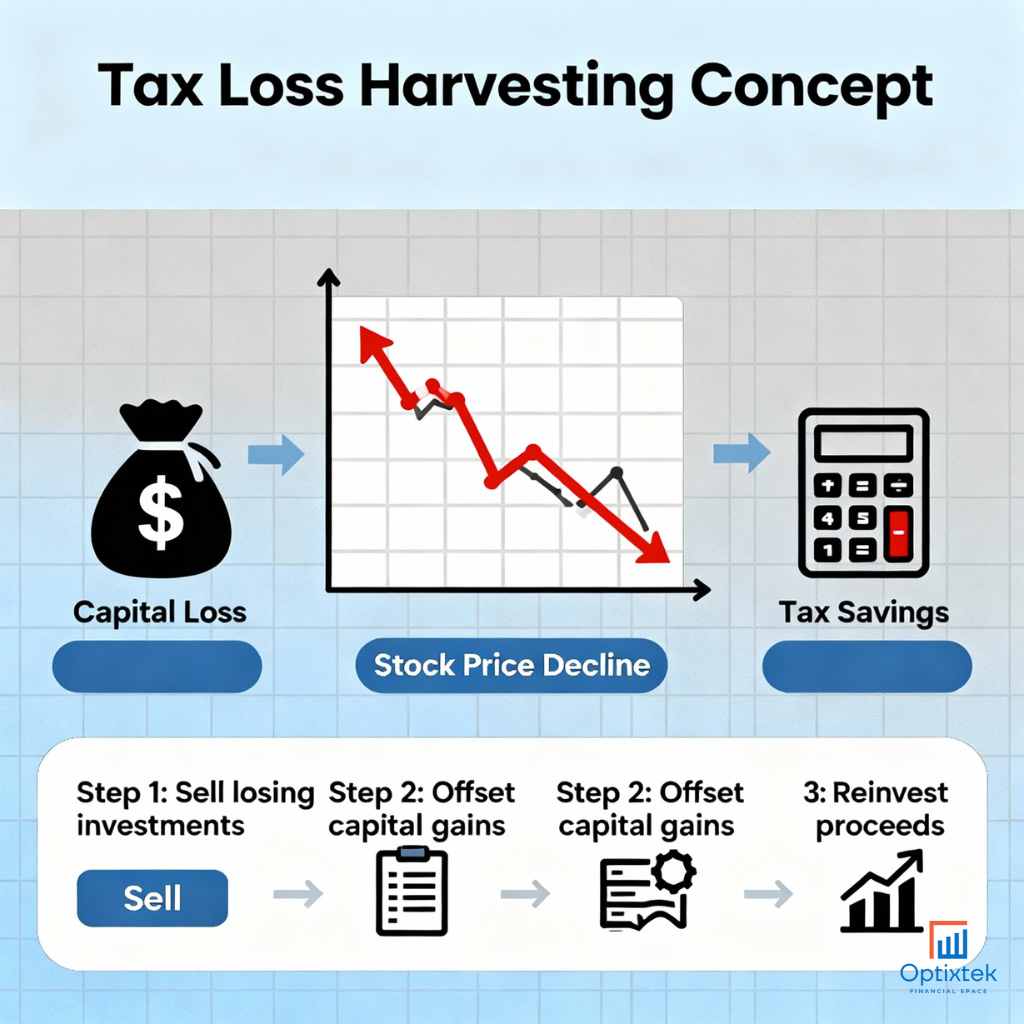
The process of tax loss harvesting generally occurs near the end of the tax year, as investors evaluate their portfolios for underperforming assets. When an asset is sold at a loss, the investor can deduct this loss from any taxable gains that were accumulated from profitable investments. This is particularly advantageous in a year where significant capital gains have been realized. For instance, if an investor earned $10,000 from selling one stock but lost $4,000 by selling another, they only need to pay taxes on a net capital gain of $6,000, which can lead to substantial tax savings.
Moreover, tax loss harvesting is not just a mechanism for offsetting income. It also allows investors to reinvest the capital into other opportunities, potentially enhancing their future returns. However, it is essential for investors to be aware of the “wash sale” rule, which prohibits repurchasing a security within 30 days of its sale. This rule prevents individuals from claiming a tax deduction for a loss while still retaining the beneficial interest in the asset.
In essence, understanding what tax loss harvesting entails is crucial for making informed investment decisions. By effectively employing this strategy, investors can create a more favorable tax situation while actively managing their financial portfolio. The benefits of implementing tax loss harvesting extend beyond immediate tax savings, as it also allows for strategic reinvestment into assets that may provide better returns in alignment with the investor’s financial goals.
How Tax Loss Harvesting Works?
Tax loss harvesting is a strategic technique employed by investors to optimize their tax positions by realizing losses in their investment portfolios. The core mechanism of this practice involves selling securities that have declined in value to offset capital gains from other investments. This process not only helps in reducing taxable income but also provides an opportunity to reinvest in similar assets, thereby maintaining an exposure to desired market sectors.
To effectively implement tax loss harvesting, investors must begin by identifying potential losses within their portfolios. This involves a thorough review of their investments to pinpoint securities that are currently worth less than their purchase price. Once identified, the timing of the sales becomes crucial; harvesting losses at the end of the tax year is a common strategy to maximize tax benefits. However, it is important to remain aware of the wash-sale rule, which disallows the deduction of losses if an identical security is repurchased within 30 days before or after the sale. Understanding this rule is essential, as it can negate the advantages of tax loss harvesting if not adhered to properly.
Moreover, keeping meticulous records of gains and losses is vital for successful tax loss harvesting. This diligence will ensure that all realized losses are appropriately documented and can be applied against any capital gains realized during the same tax year. Investors should also note that they can utilize losses to offset ordinary income up to a limit, with remaining losses carried forward to future years if necessary. It is advisable to consider consulting with a tax professional to ensure compliance with IRS regulations while maximizing the effectiveness of tax loss harvesting strategies.
Benefits and Risks of Tax Loss Harvesting
Tax loss harvesting is a strategic approach employed by investors to mitigate their tax obligations while simultaneously maintaining a robust investment portfolio. One of the primary benefits of this technique is its ability to reduce overall tax liability. By selling investments that have incurred losses, investors can offset capital gains realized from other investments, which can lead to a lower tax bill. This method is particularly advantageous during volatile market periods when many holdings may depreciate in value.
Furthermore, tax loss harvesting can enhance portfolio management. By systematically reviewing and selling underperforming assets, investors may optimize their holdings by reallocating the proceeds into more promising investments. This not only allows for real-time adjustments to the portfolio but also fosters a more disciplined investment strategy that aligns with long-term financial goals. Over time, consistent application of tax loss harvesting can contribute to improved overall investment performance.
However, while tax loss harvesting presents several benefits, it is not without its risks. One potential drawback is the impact this strategy can have on an investor’s overall investment strategy. Frequent buying and selling of assets may lead to disruption of investment objectives, and as a result, tactical shifts could undermine long-term wealth accumulation strategies. Additionally, emotional decision-making can complicate the tax loss harvesting process. Investors may feel inclined to react to market fluctuations impulsively, leading to hasty decisions that might not align with their best interests.
Lastly, market timing considerations play a critical role in the effectiveness of tax loss harvesting. Investors must be judicious about when to sell assets and may struggle with determining the right moments to reinvest after incurring losses. A balanced view is essential for investors to assess whether tax loss harvesting is a suitable approach for their financial situation, weighing both its potential advantages against these inherent risks.
Getting Started with Tax Loss Harvesting
To effectively implement tax loss harvesting in your investment strategy, it is essential to begin with a clear understanding of your investment accounts. Primarily, suitable accounts include taxable brokerage accounts, as losses realized here can offset capital gains to reduce your overall tax liability. In contrast, tax-advantaged accounts like IRAs or 401(k)s do not allow for such benefits, making them less appropriate for these strategies.
Once you have determined the right type of account, establishing a tracking system is crucial. This can be accomplished through various methods, including spreadsheets or financial software that allows you to monitor your investments’ performance and identify losses promptly. Regular investment reviews will facilitate timely moves to realize losses when they arise. Analyzing your portfolio at least quarterly can be instrumental, as it provides opportunities to strategically execute transactions before year-end deadlines.
Knowing when to execute transactions is a vital aspect of tax loss harvesting. The ideal moment to realize losses is when market conditions lead to a drop in the value of specific investments. However, it is equally important to avoid selling solely for tax purposes—your overall investment strategy should guide your decisions. Selling an asset and quickly repurchasing it may trigger the “wash sale” rule, which disallows the tax benefits of the loss. Hence, carefully considering your timing and approach is essential.
Lastly, consulting with a financial advisor or tax professional is highly recommended. Customized tax loss harvesting strategies tailored to your individual needs and financial goals can significantly enhance your investment outcomes. Professionals can provide insights into the complex tax implications and ensure that your actions align with both your immediate and long-term financial objectives.